
The Complete Guide to Ονειροκρίτης θάλασσα Meanings
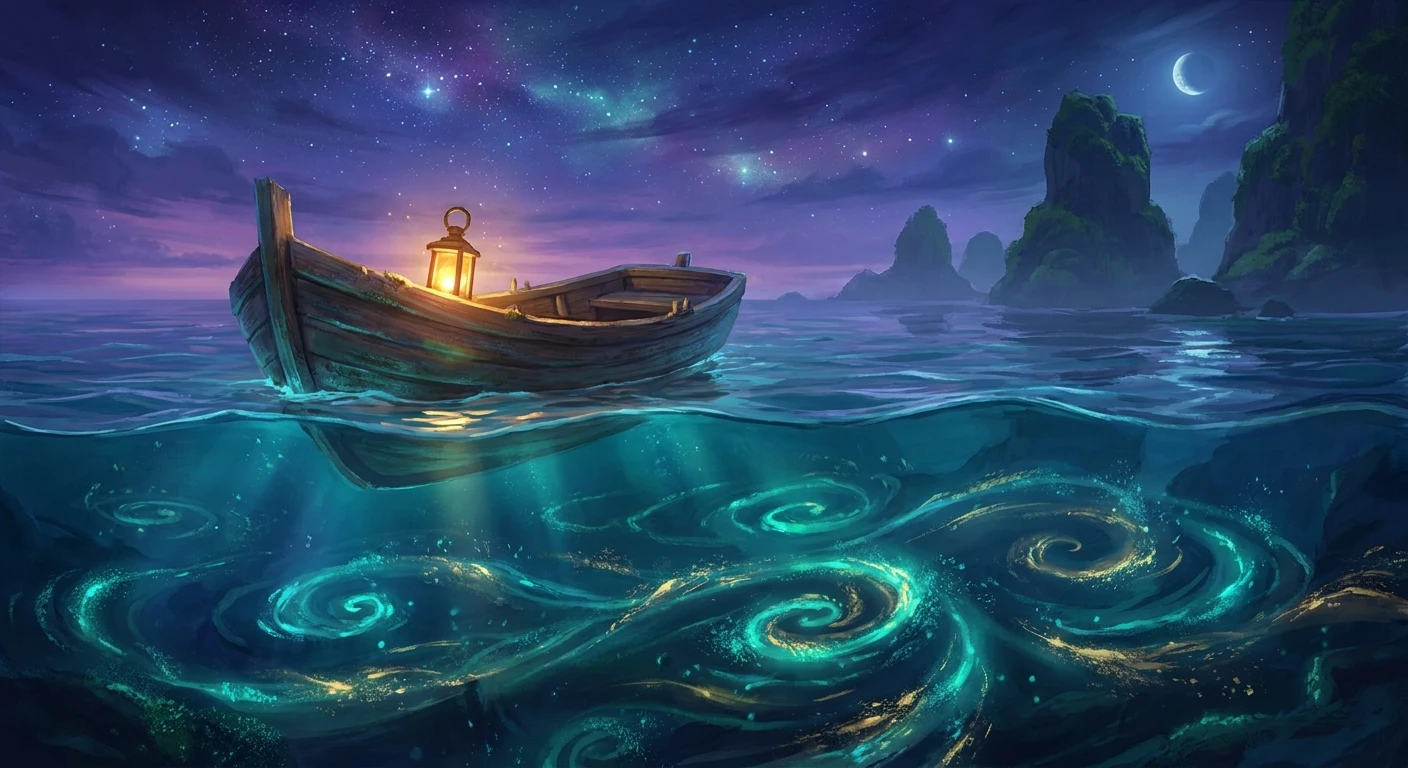
Understanding the exact meaning of your nighttime visions is incredibly straightforward once you master the Ονειροκρίτης θάλασσα principles. Water represents the ultimate mirror for our internal emotional state. Whether you find yourself sailing on a crystal-clear ocean or struggling against massive tidal waves, your subconscious mind is actively trying to communicate a specific message. Dreams about the sea are some of the most common and powerful experiences reported globally. They tap directly into our deepest feelings, fears, and hopes.
The human brain uses the imagery of vast bodies of water to process complex emotional data that we might ignore while awake. By interpreting these aquatic landscapes, you gain immediate, actionable insights into your daily life, relationships, and career trajectory. You do not need to be a mystic to figure out what your mind is telling you. You just need a practical framework to decode the symbols. As we navigate the high-stress environment of 2026, analyzing your sleep imagery provides a reliable, entirely free method of checking in on your mental health. This guide breaks down exactly how to interpret these powerful visions, step by step, ensuring you wake up with total clarity.
Read also: Aquarius and Pisces Compatibility Facts; Why scorpio and pisces Make the Ultimate Match.
Unlocking the Meanings Behind the Ocean
Figuring out the core benefits of analyzing sea dreams changes how you approach sleep entirely. When you actively decode these visions, you stop seeing them as random noise and start using them as a personal compass. The primary value proposition here is emotional regulation. If you know what the water represents, you can address the underlying issues before they become overwhelming waking problems. For instance, if you constantly dream about drowning, your mind is clearly signaling that you feel overwhelmed by a project or relationship. Addressing that stressor directly neutralizes the nightmare. Conversely, if you dream about effortlessly floating on calm waves, you are receiving confirmation that a recent life decision has brought you genuine peace.
To really make sense of this, let’s look at how different aquatic scenarios map to your waking reality. The condition of the water, the weather, and your reaction to the environment all play crucial roles in the interpretation.
| Dream Scenario | Psychological Meaning | Recommended Waking Action |
|---|---|---|
| Calm, crystal-clear water | Mental clarity, emotional balance, and peace | Maintain your current habits and decisions |
| Raging, stormy seas | High anxiety, conflict, or feeling out of control | Identify stressors and set firm boundaries |
| Watching the tide roll out | Letting go of past trauma or fading relationships | Practice active acceptance and move forward |
To successfully document and analyze these experiences, follow a strict routine. Here is exactly what you need to do:
- Keep a physical notebook directly on your nightstand to record details the second you open your eyes.
- Write down the color, temperature, and turbulence of the water before noting anything else.
- Identify exactly how you felt during the vision—were you panicked, serene, or indifferent?
- Look for immediate parallels between those feelings and your current waking life challenges.
The Historical Context of Dream Dictionaries
Ancient Origins of Sea Symbolism
People have been trying to make sense of their nighttime adventures for thousands of years. Early civilizations viewed the ocean as a realm of gods, monsters, and unknown depths. When they dreamt of the sea, they often interpreted it as direct communication from divine entities. Ancient Greek scholars, particularly Artemidorus in his famous text ‘Oneirocritica’, laid the groundwork for what we now recognize as structured dream interpretation. He categorized water dreams based on whether the dreamer was sailing safely or caught in a shipwreck, drawing direct correlations between the dream state and imminent business or personal success. The sea was unpredictable, much like fate itself, making it the ultimate symbol of the unknown.
The Evolution of Dream Analysis Through the Centuries
As centuries passed, the interpretation of sleep imagery shifted from the mystical to the psychological. During the Renaissance, philosophers began viewing dreams less as prophecy and more as a reflection of the dreamer’s internal physical state. However, it was not until the late 19th and early 20th centuries that pioneers like Sigmund Freud and Carl Jung revolutionized the field. Jung, in particular, argued that the ocean represents the collective unconscious—a vast, shared pool of human memory and instinct. To dream of diving into the sea was to explore the deepest layers of the self. This era completely changed how ordinary people viewed their sleep patterns, moving the practice from superstition to a respected form of self-exploration.
The Modern State of Dream Interpretation
Today, analyzing our sleep is widely recognized as a valid tool for emotional processing. The rigid dictionaries of the past have evolved into dynamic psychological frameworks. Modern analysts focus on the personal context of the dreamer rather than assigning one universal meaning to a specific symbol. If you grew up near the beach, a stormy sea might not represent fear for you, but rather comfort and nostalgia. Contemporary approaches blend the rich historical symbolism with cognitive behavioral insights, creating a highly personalized method for understanding what our brains do after we close our eyes.
The Psychology and Neurology of Dreaming About Water
How the Subconscious Constructs Fluid Imagery
The way our brains construct imagery during sleep is nothing short of fascinating. When you fall asleep, your prefrontal cortex—the logical, decision-making part of your brain—essentially powers down. Meanwhile, the visual and emotional centers light up. Water is incredibly common in sleep because it is a universal sensory experience. The brain uses the fluidity, depth, and temperature of water as a visual shorthand for complex emotions. Since emotions themselves are fluid—shifting rapidly from calm to turbulent—the ocean serves as the perfect neurological canvas. When your mind needs to process a sudden wave of anxiety, it quite literally generates a wave of water in your dreamscape.
REM Sleep and Emotional Processing
The vast majority of vivid, narrative-driven dreams happen during the Rapid Eye Movement (REM) stage of sleep. During this phase, your brain is actively sorting through the events, conversations, and stresses of the previous days. Neurologically, this is when memory consolidation occurs. The amygdala, which handles emotional responses, is highly active during REM sleep. This explains why water-based dreams often carry such heavy emotional weight. Your brain is running simulations to help you cope with waking life.
- REM sleep cycles occur roughly every 90 minutes, with each cycle growing longer as the night progresses.
- The amygdala processes fear and pleasure intensely during these cycles, translating them into the chaotic or peaceful waters you see.
- Hippocampal replay allows the brain to take recent emotional events and mix them with older memories, creating complex aquatic environments.
- Neurotransmitters like serotonin and norepinephrine drop significantly, removing waking anxieties and allowing pure, unfiltered emotional imagery to surface.
A 7-Day Guide to Mastering Your Oceanic Dreams
Day 1: Establishing a Dream Journal Habit
You cannot analyze what you do not remember. Your first task is to set up a recording system. Place a pen and notebook right next to your bed. The moment you wake up, do not check your phone or get out of bed. Lie still and grab the notebook. Write down every single detail you can recall, no matter how fragmented. Focus specifically on any water elements you encountered.
Day 2: Identifying Water Clarity and Movement
On the second day, start looking at the specific characteristics of the water in your notes. Was it murky or transparent? Was it stagnant or rapidly flowing? Clear water usually points to transparency in your emotional life, while muddy water indicates confusion, secrets, or unresolved guilt. Pinpointing these visual cues is step one in decoding the message.
Day 3: Analyzing Emotional Responses During the Dream
Now, shift your focus from the environment to your internal reaction. How did you feel while looking at the sea? If you felt terrified by a tidal wave, it indicates you feel small and powerless in a waking situation. If you felt exhilarated by diving into cold water, it suggests a readiness for a new challenge. The emotion is often more important than the visual itself.
Day 4: Connecting Tides to Waking Life Stressors
Take the emotions and visuals you have gathered and map them directly to your day-to-day life. If you recorded a dream about struggling against a strong current, ask yourself: Where am I fighting a losing battle right now? Is it at work? Is it in a relationship? Drawing these direct lines turns vague sleep imagery into actionable intelligence.
Day 5: Exploring Archetypal Symbols in the Deep
Look beyond the water itself and identify other elements. Did you see boats, sea creatures, or islands? A boat often represents the tools you use to navigate your emotions. Sharks or sea monsters usually symbolize hidden fears or toxic people lurking in your periphery. Cataloging these secondary symbols provides a much richer interpretation.
Day 6: Meditating on Fluidity and Control
Use your waking hours to practice mental flexibility. If your dreams show you constantly drowning or sinking, it means you are fighting for control in a situation where you need to let go. Spend ten minutes today meditating on the concept of floating. Visualize yourself resting on the surface of the water, allowing it to support you rather than fighting the current.
Day 7: Integrating Insights for Personal Growth
By the end of the week, review your notes to find patterns. You should have a clear picture of your current emotional baseline. Use this data to make tangible changes. If your sleep indicates extreme stress, start saying no to extra projects. If it shows calm waters, take that as a green light to push forward with your goals.
Separating Fact from Fiction
There is a massive amount of misinformation surrounding sleep analysis. Let’s clear up the most common misunderstandings right now so you can approach your nights with clarity.
Myth: Dreaming of drowning means you are going to experience a terrible tragedy or bad luck in real life.
Reality: Drowning in a dream simply points to feeling emotionally overwhelmed or taking on too many responsibilities at once. It is a psychological stress indicator, not a magical prediction.
Myth: Seeing crystal-clear water guarantees imminent financial wealth or winning the lottery.
Reality: Clear water reflects mental clarity, peace of mind, and emotional stability. While it shows you are in a good headspace, it has absolutely zero connection to your bank account.
Myth: Everyone interprets the exact same symbols in the exact same way.
Reality: Context is everything. A professional surfer will have a completely different psychological association with huge waves compared to someone who is terrified of swimming.
Frequently Asked Questions
What does a turbulent ocean mean?
A turbulent ocean points to chaos in your waking life. It usually signifies that you are navigating a highly stressful period, dealing with unpredictable people, or facing internal emotional turmoil that you haven’t yet resolved.
Why do I repeatedly dream of tidal waves?
Recurring tidal waves indicate a massive, looming change or responsibility that feels bigger than you can handle. Your brain uses the wave to symbolize a situation that threatens to wash away your current stability.
Can eating certain foods cause ocean dreams?
While heavy or spicy meals close to bedtime can cause indigestion—which leads to more fragmented, vivid, and sometimes bizarre REM sleep—they do not specifically trigger aquatic themes. The content is driven by your emotional state, not your diet.
Is dreaming of dark water a bad omen?
It is not a bad omen, but it is a warning sign from your subconscious. Dark, murky water suggests confusion, hidden fears, or a situation in your life where you do not have all the facts and are operating blind.
What does swimming effortlessly with sea creatures signify?
This is a highly positive scenario. It indicates that you are deeply in tune with your instincts and comfortable with your emotional depths. You are navigating life’s challenges with grace and confidence.
Does a drying ocean represent lost hope?
A receding or drying ocean often points to emotional burnout, exhaustion, or a feeling of emptiness. It signifies that your internal resources are depleted and you desperately need time to recharge and recover.
How can I stop having nightmares about drowning?
The quickest way to stop these specific nightmares is to address the waking stressors causing them. Identify where you feel out of control, delegate tasks, ask for help, and practice relaxation techniques before bed.
By understanding exactly how your mind processes these symbols, you can take total control of your emotional health. Do not let your nighttime visions go to waste—start writing them down tonight, analyze the patterns, and use the insights to build a more balanced, stress-free waking life!
Leave a Reply